If ecosystem dependency doesn't appear in your risk model, the instinctive conclusion is: no risk. The ECB just confirmed that conclusion is wrong — and very likely expensive.
This week, ECB Banking Supervision released its updated compendium of good practices for climate and nature-related risk management. One-third of the new good practices are dedicated specifically to nature. Frank Elderson's exact language: risks in this area are “very likely being underestimated” and “we are heading towards a disorderly transition scenario with higher uncertainty.”
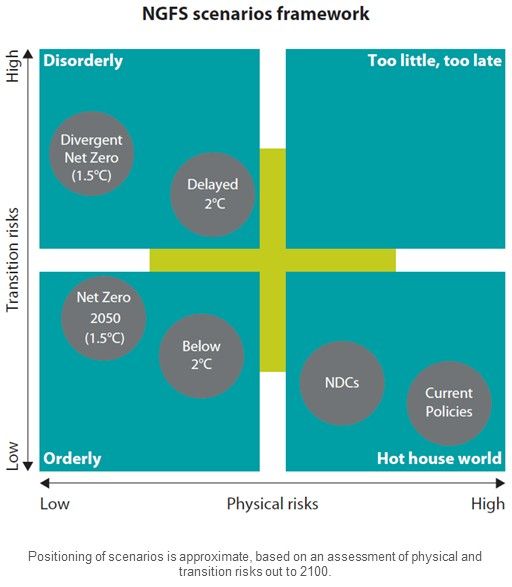
NGFS scenarios framework — positioning of scenarios is approximate, based on an assessment of physical and transition risks out to 2100.
To ensure that the compendium is also useful for smaller and less exposed banks, it shows good practices with different levels of sophistication.
The detail that matters most: integration of nature risk into ICAAP is now listed as a good practice. Nature is touching capital adequacy, not just disclosure.
The compendium creates no new legal requirements.
But that's precisely what was said about the 2020 ECB Climate Risk Guide — before ABANCA was fined €187,650 in November 2025 for failing to complete a C&E materiality assessment. Good practices become supervisory expectations. Supervisory expectations become binding decisions.
EBA's environmental scenario analysis guidelines arrive in 2027. Most institutions in scope have no nature-risk ICAAP baseline to build from.
How many institutions have moved beyond qualitative nature assessments?
Source: European Central Bank Banking Supervision, ‘Good practices for advancing climate and nature-related risk management’; ECB, ‘ECB imposes periodic penalty payments on ABANCA’, 10 November 2025; scenario framework: Network for Greening the Financial System (NGFS).